ABSTRACT
Outpatient-based sharp debridement is considered an important element for the care of a chronic ulcer.
Objective:
The aim of this study is to evaluate the change in bacterial amounts with sharp debridement in a clinical setting.
Materials and Methods:
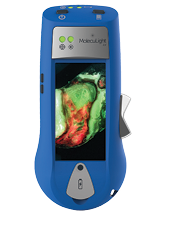
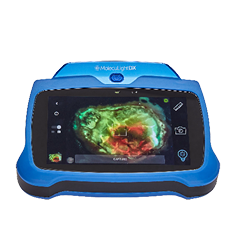
Bacterial autofluorescence, quantitative cultures, semiquantitative cultures, and qualitative speciation were performed pre-debridement and post-debridement during a single clinic visit.
Results:
Thirty-six wounds were included in the analysis. The mean patient age was 62 years (range, 27–83 years), and there were 13 (36.11 %) women and 23 (63.89 %) men with an average body mass index of 33.8 kg/m2 (range, 16.7–55.9 kg/m2). Of the 36 patients, 24 (66.67 %) had type 2 diabetes and 19 (52.78 %) had a prior history of lower extremity amputation. Majority of the ulcers were diabetic neuropathic (27, 75 %); the most common location was on the plantar aspect of the foot (14, 41.67 %) with a mean ulcer duration of 10 months (range, 1–36), mean ulcer area of 6.3 ± 12.8 cm2 (range, 0.18–62.06 cm2), and mean volume of 2.2 ± 4.4 cm3 (range, 0.05–9.66 cm3). There was no statistically significant difference in bacterial autofluorescence between the pre-debridement (4.15 ± 8.82) and the post-debridement (4.65 ± 9.48) images (P = .32). There was a statistically significant difference in quantitative culture results between the pre-debridement (6.7 x 10⁴ ± 1.4 x 10⁶ CFU/cm2) and the post-debridement (1.7 x 10⁴ ± 3.1 x 10⁶ CFU/cm2) cultures (P = .04), although this is not a log reduction.
Conclusions:
There is no statistically significant difference between the pre-debridement versus post-debridement semiquantitative culture results or a detectable pattern of change for the most common bacterial species encountered. These results suggest little impact of clinic-based sharp debridement on bacteria.