June 4, 2018 -Clinical Synopsis
Patient Condition: 50 year old male patient with a venous leg ulcer ( >1 year) on left medial ankle. Wound presented with heavy drainage and a MRSA infection that had persisted over many months of care, despite numerous antibiotics and antimicrobials. Patient’s wound received regular cleaning and debridement
… Read More
June 1, 2018 -ABSTRACT Aim:
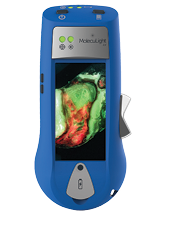
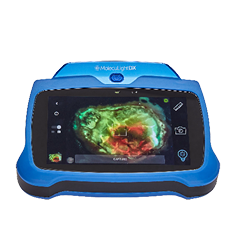
Knowledge of wound bioburden can help guide selection of optimal therapies, for example, negative pressure wound therapy devices (NPWT) with instillation of wound cleansers in a heavily contaminated wound. Fluorescence imaging can visualize red-fluorescing, pathogenic bacteria in real-time using a non-contact, hand held device.1 We used this
… Read More
June 1, 2018 -ABSTRACT Aim:
Real-time, point-of-care detection of critical bacterial colonization relies primarily on visual inspection and clinical signs and symptoms. Fluorescence imaging has recently been used to detect bacterial fluorescence in wounds at the bedside. This pilot study aimed to assess its effects on clinician decisions and patient care.
Method:… Read More
March 28, 2018 -Clinician used MolecuLight i:X to confirm the presence and location of Pseudomonas aeruginosa in a venous leg ulcer. As seen in Figure 3, the white/cyan color suggests heavy levels of Pseudomonas aeruginosa pre-debridement (the white/cyan color is due to signal oversaturation), which would otherwise be invisible to the unaided eye. The clinician uses this information to guide debridement of bioburdened tissue and re-imaged the wound post-debridement. Figure 4 indicates a reduction in bioburden post-debridement, but not the eradication of Pseudomonas aeruginosa. Read More
March 19, 2015 -ABSTRACT Background:
Traditionally, chronic wound infection is diagnosed by visual inspection under white light and microbiological sampling, which are subjective and suboptimal, respectively, thereby delaying diagnosis and treatment. To address this, we developed a novel handheld, fluorescence imaging device (PRODIGI) that enables non-contact, real-time, high-resolution visualization and differentiation of key
… Read More